
St Kevin’s Primary School Case Study
When Kindness Became Part of Everyday School Life
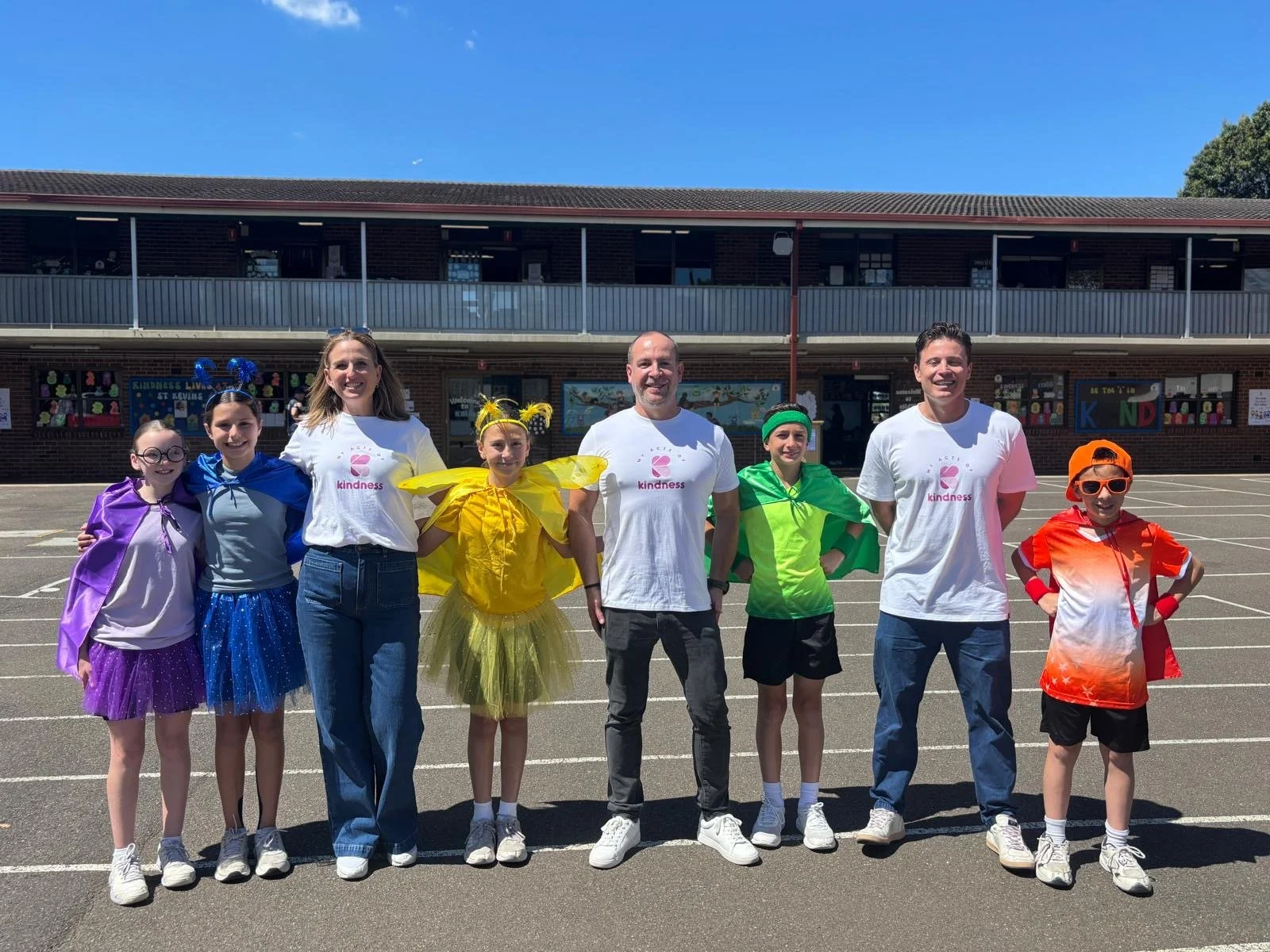
Located in Eastwood in Sydney’s northwest, St Kevin’s Primary School has become recognised for something happening beyond the classroom — a culture where kindness is visible, practised and increasingly led by students themselves.
What began as participation in the My Acts of Kindness (MAOK) Schools Program has evolved into a whole-school approach to belonging, wellbeing and connection. The initiative has since received broader recognition, featuring in The Catholic Weekly and national media as an example of how kindness can be intentionally embedded into school culture.
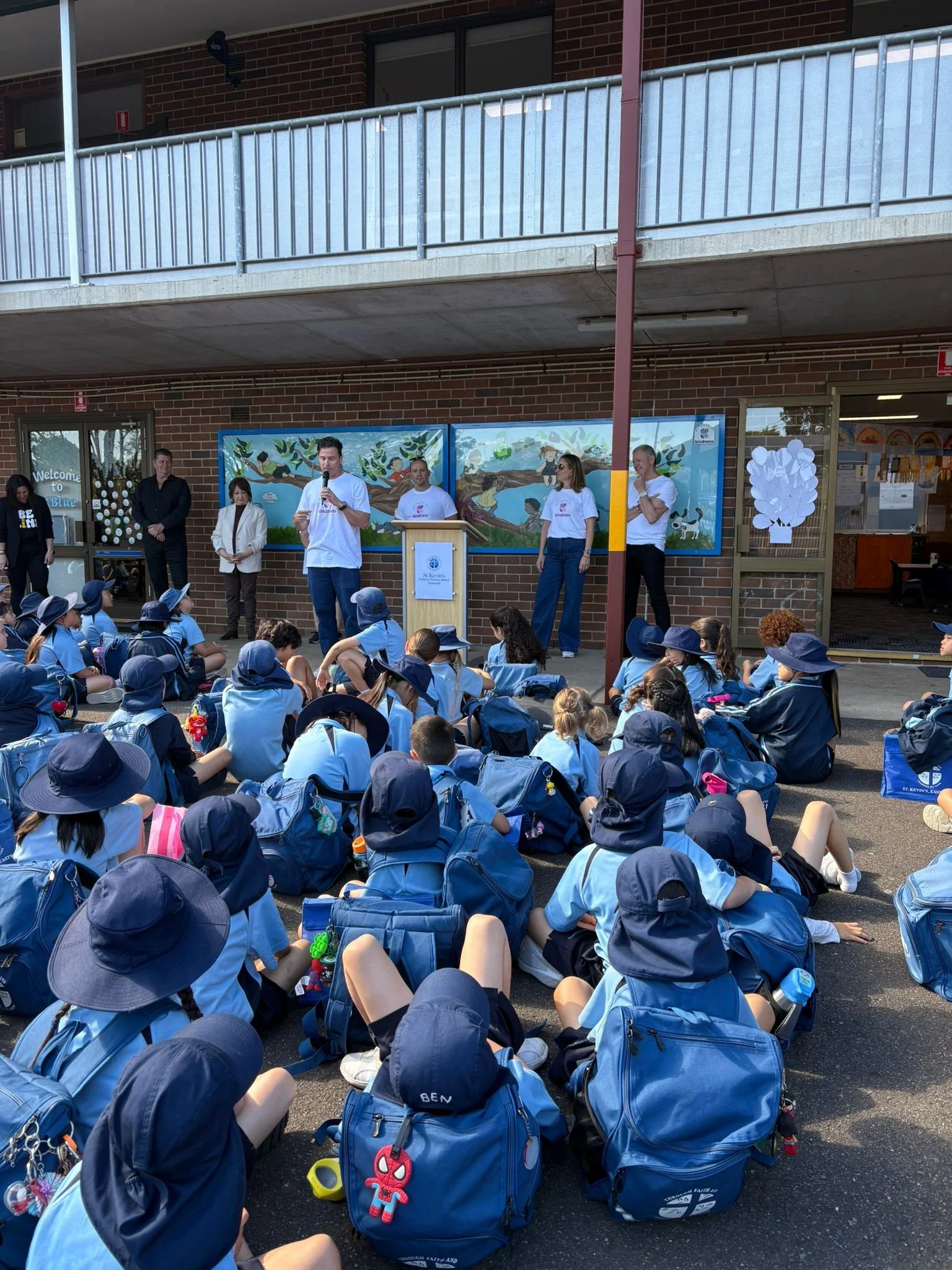
The partnership began through Bruno Maurel OAM, founder of My Acts of Kindness and parishioner at St Kevin’s, alongside school leadership who shared a common belief: that kindness should be more than a value spoken about occasionally — it should become something children experience and practise every day.
The Challenge: Building Connection in a Time of Disconnection
Like many schools across Australia, St Kevin’s was navigating increasing pressures around student wellbeing, social connection and belonging.
Schools are supporting children growing up in a world where loneliness, anxiety and social fragmentation are becoming more common. While wellbeing programs play an important role, school leaders recognised something deeper
Introducing the MAOK Schools Program
The My Acts of Kindness Schools Program was introduced at St Kevin’s through a simple belief: kindness becomes most powerful when it is practised consistently.
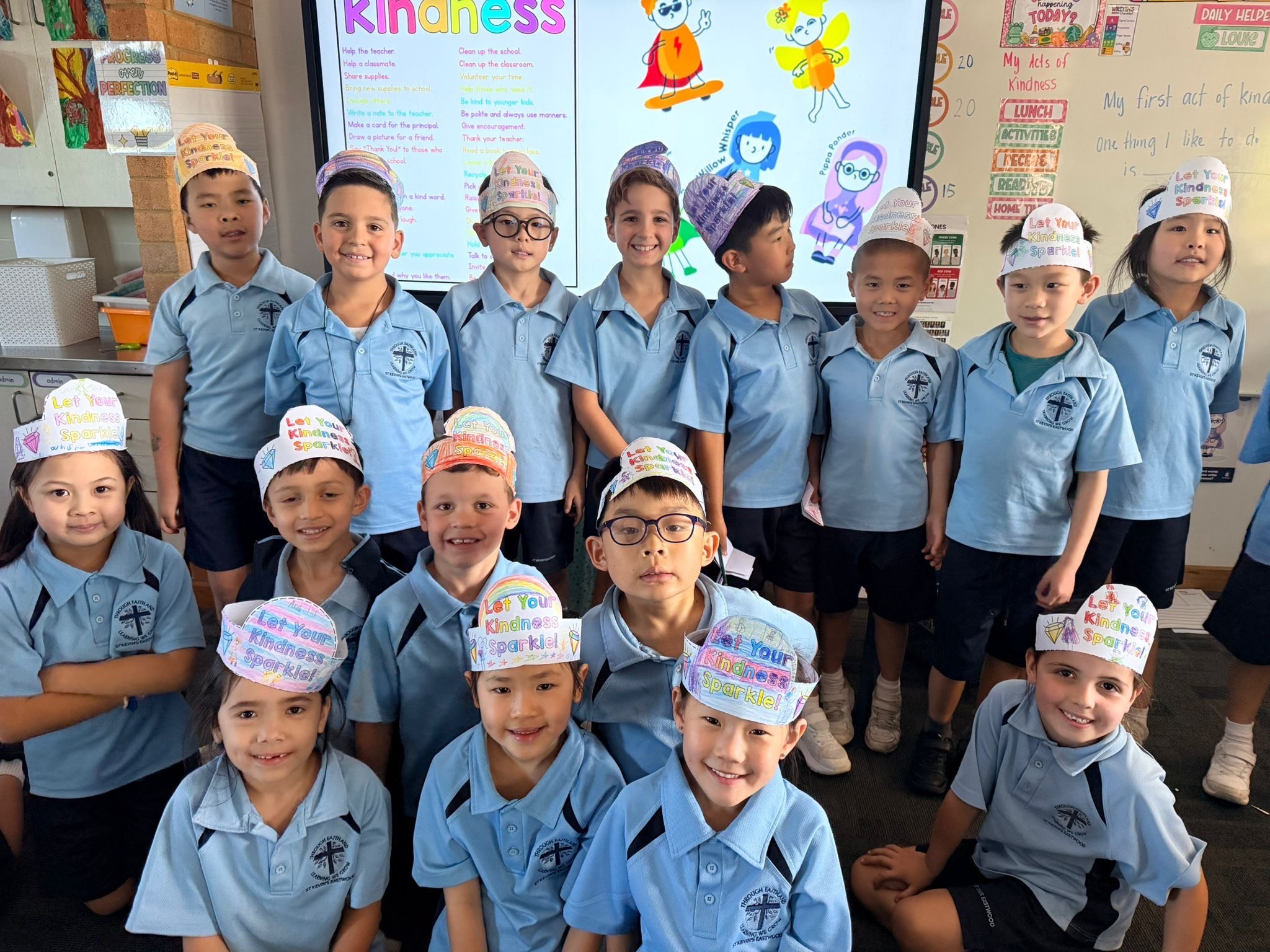
At the centre of the program is an intentionally uncomplicated framework — One Smile. One Word. One Action. The idea is not to add another initiative to an already busy school environment, but to help children recognise the small everyday moments that shape how people feel, connect and belong.
A smile that helps someone feel seen. Words that encourage rather than exclude. Actions that support, include or help another person. These seemingly small behaviours, repeated over time, begin to influence something much bigger — the culture of a school.
To reinforce these practices, the program is woven throughout everyday school life through classroom activities, assemblies, character-led learning, recognition programs and opportunities for student leadership. Rather than kindness being something spoken about occasionally, it becomes part of the shared language students and teachers use every day.
Principal Maree Simpson described the approach in The Catholic Weekly as helping children:
“…lead with heart, act with courage and confidently name the acts of kindness they choose.”
What made the program different at St Kevin’s was that kindness was not positioned as a standalone wellbeing activity. Instead, it was embedded into learning, play and daily routines, creating consistency across the entire school community. Over time, students began to move beyond simply participating in kindness — they started noticing it, leading it and expecting it from one another.
What began as a framework gradually became part of the rhythm of school life.
Impact on School Community
One of the most significant outcomes observed at St Kevin’s wasn’t a single moment or milestone — it was a gradual shift in the culture of the school. The changes were subtle at first. Students began noticing acts of kindness around them more often. Then they started talking about those moments. Over time, kindness became something they expected from themselves and from one another.
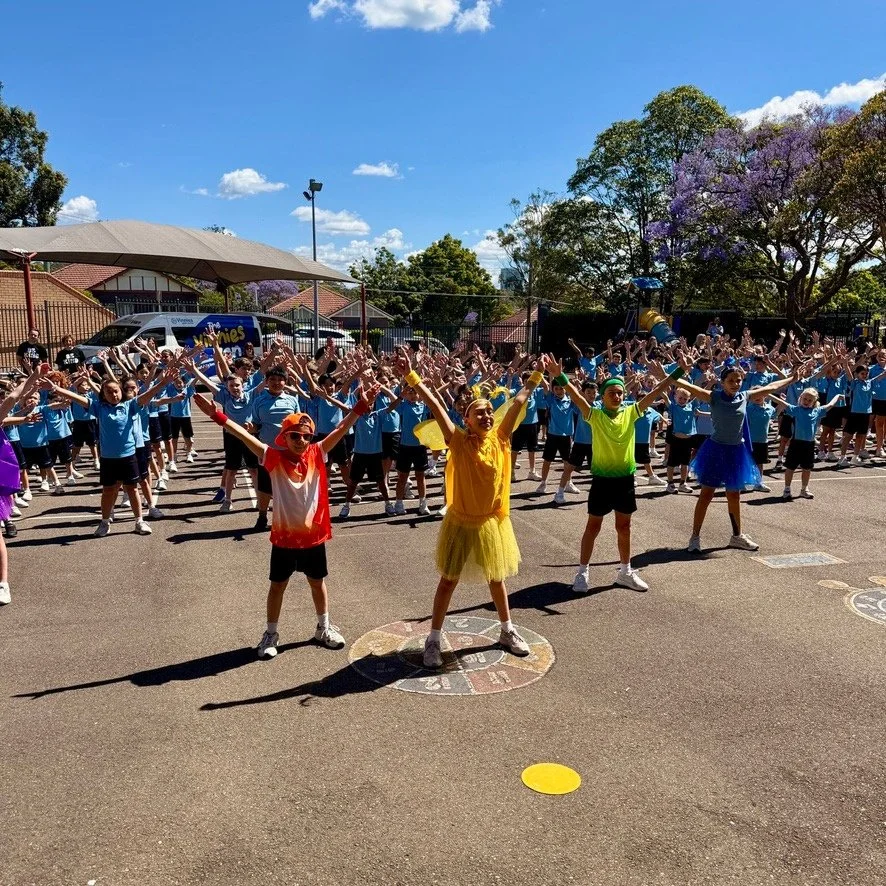
Teachers observed children inviting classmates into games, helping younger students navigate the school environment and recognising positive behaviour without prompting. What initially began as behaviour encouraged by teachers slowly became something led by students themselves. The language of kindness became familiar, and as those behaviours were repeated consistently, they began shaping something much bigger than individual actions — they started shaping culture.
Principal Maree Simpson reflected in The Catholic Weekly that kindness had become intentionally embedded across the school community, explaining that:
“Kindness is explicitly taught, naturally embedded in our educational programs and reinforced through social outreach initiatives.”
Perhaps one of the strongest indicators of change was the growing sense of ownership students began to take. Through the introduction of Year 6 Kindness Ambassadors, older students were given opportunities to model behaviours, support younger peers and encourage inclusion across the school. Rather than kindness being driven solely by teachers, students increasingly became leaders themselves.
This shift mattered because children often learn as much from each other as they do from adults. As kindness became visible among peers, positive behaviours began spreading more naturally throughout the school environment.
What surprised the school community most was that the impact did not stop at the classroom door.
Parents began noticing their children using the same kindness language at home. Conversations around empathy, inclusion and helping others started extending into family life. Students were sharing stories about One Smile, One Word, One Action, and families found themselves discussing kindness in new ways.
One parent reflected:
“My daughter came home talking about One Smile, One Word, One Action. It changed conversations in our home and helped us think differently about everyday kindness.”
While kindness cannot always be measured through traditional metrics, St Kevin’s experienced meaningful cultural shifts. Students became more aware of how their behaviour affected others. Acts of kindness were increasingly recognised and celebrated. Children began leading positive behaviours rather than simply responding to reminders, and families became active participants in conversations around kindness beyond school.
Over time, kindness became less of a message students heard and more of something they practised consistently.
Conclusion
The experience at St Kevin’s demonstrates something important: meaningful change within a school community rarely happens because of one large initiative. More often, it is shaped through small behaviours repeated consistently over time. A smile that helps someone feel included, words that encourage rather than exclude, or a simple act of support between peers may seem insignificant in isolation, but together these moments begin to influence culture.
The My Acts of Kindness Schools Program was built on the belief that kindness should not sit separately from education or wellbeing — it should be woven into the everyday rhythm of school life. The values children practise repeatedly become the values they carry into friendships, families, workplaces and communities long after they leave the classroom.
At St Kevin’s, kindness became more than a program or wellbeing initiative. It became part of how students interacted, how teachers led conversations, and how families engaged beyond the school gates. Over time, kindness became embedded within the identity of the community itself.
Every school has its own unique culture, values and aspirations for the young people in its care. The MAOK Schools Program is designed to strengthen those foundations by providing practical tools, shared language and simple daily practices that help kindness become visible, consistent and lasting.
If your school is looking to strengthen belonging, support student wellbeing, or embed kindness more intentionally into everyday culture, we would love to explore how My Acts of Kindness could become part of your school community.
To learn more about bringing the MAOK Schools Program to your school, please contact: schools@myactsofkindness.com.au
Together, we can help create school communities where kindness becomes habit, belonging grows stronger, and students learn that even the smallest actions can have a lasting impact.